Recovery After Exercise

Share
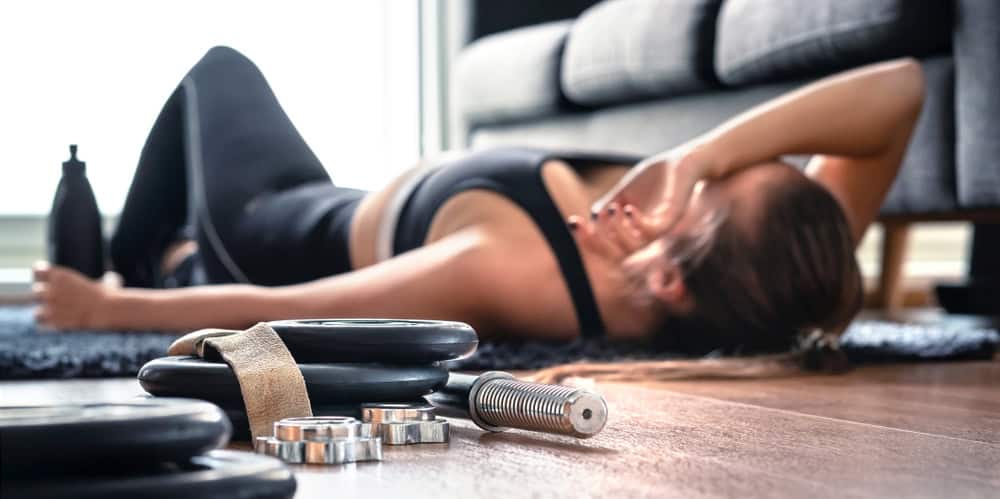
Recovery is an essential part of any exercise routine. It has a big impact on your fitness gains and it’s essential to muscle and tissue repair.
Whether you’re a regular gym bunny or new to limbering up, here’s how to rest up post-workout, and get the most out of your muscles:

- Replace lost fluids
You lose a lot of water and important electrolytes, such as sodium and potassium, when you exercise, especially when you work up a sweat. Sweat keeps us cool but your body temperature will rise if you don’t replenish lost fluids. You also need to stay hydrated so as to flush out waste and toxins. Ideally, you should replace lost fluids during exercise, especially endurance exercise, and always top up once you’ve finished.
- Work out then cool down
Cooling down at a much reduced intensity for around 10 minutes after exercise, helps your heart rate and blood flow return to normal. This could involve easy, gentle movement such as a run into a jog, or hopping from strength training into a yoga class. Stretching is also really important and can help to improve mobility and flexibility. It also makes us feel better, providing a sense of relief and release, and brings blood flow into your muscles, making you feel relaxed.
- Eat to build muscle
What you eat post-workout can influence your recovery. Your body’s preferred fuel source is glycogen. When you exercise, your muscles use up their glycogen stores. Proteins in your muscles can also be broken down and damaged. Once you’ve finished exercising your body tries to rebuild its glycogen stores and repair (and regrow) damaged muscle proteins. Eating the right nutrients soon after you exercise can help your body do this faster. Carbs and protein are especially good at getting this done.
A muscle needs anywhere from 24 to 48 hours to repair and rebuild, and working it again too soon simply leads to tissue breakdown instead of building. Rest is one of the best ways to recover and heal from just about any illness or injury and this is also true of exercise. Resting after intense exercise allows the repair and recovery process to happen at a natural pace. Sufficient sleep is essential; our body does much of its repair work when we sleep.
Need a helping hand?
Sore or tired muscles? A popular choice for muscle and joint pain is Devil’s Claw, a plant only found in the Kalahari Desert of South Africa. It has been used for many years to help reduce rheumatic, muscle and joint pain and studies suggest that long-term use of Devil’s Claw is not only safe, but may also lead to improvements in those with chronic lower back pain. Try Atrosan Devil’s Claw tablets (from £12.99, www.avogel.co.uk).
For topical relief from inflammation you may wish to try Arnica. Arnica is well-known for its homeopathic use for bumps and bruises, but when used in its herbal form it can also help with pain and stiffness in joints and muscles, with research showing it may be just as effective as ibuprofen at reducing pain and stiffness in the fingers of osteoarthritis patients. Atrogel Arnica Gel (from £8.49, www.avogel.co.uk) contains herbal extracts of Arnica flowers and can help with muscular aches, pains and stiffness, sprains and bruising.